How to Bake Perfect Gluten-Free Banana Bread Every Time – Simple Steps and Reliable Results
Banana bread should be easy, comforting, and dependable—even without gluten. If your loaves have come out gummy, dry, or oddly dense, you’re not alone. The good news: with the right flour blend, moisture balance, and mixing method, gluten-free banana bread can be tender, flavorful, and beautifully golden.
This guide walks you through clear steps that work every time, with practical tips you can trust. By the end, you’ll have a go-to recipe that’s weeknight simple and weekend special.
How to Bake Perfect Gluten-Free Banana Bread Every Time - Simple Steps and Reliable Results
Ingredients
- 3 large very ripe bananas (about 1 1/2 cups mashed)
- 2 large eggs, room temperature
- ⅓ cup neutral oil (avocado, light olive, or canola) or melted butter
- ⅓ cup plain Greek yogurt (or dairy-free yogurt)
- ⅔ cup light brown sugar (or coconut sugar)
- 1 teaspoon vanilla extract
- 1 1/4 cups gluten-free all-purpose flour blend (with xanthan gum; see note)
- ½ cup super-fine almond flour
- 1 teaspoon baking soda
- 1 teaspoon baking powder
- ½ teaspoon fine sea salt
- 1 teaspoon ground cinnamon (optional but recommended)
- ½ cup mix-ins (optional: chopped walnuts, pecans, or chocolate chips)
- Coarse sugar for sprinkling on top (optional)
Instructions
- Prep the pan and oven. Heat the oven to 350°F (175°C). Grease a 9x5-inch loaf pan and line it with a parchment sling for easy removal.
- Mash the bananas. In a large bowl, mash bananas until mostly smooth with a few small lumps. You want about 1 1/2 cups.
- Whisk the wet ingredients. Add eggs, oil, yogurt, brown sugar, and vanilla to the bananas. Whisk until smooth and slightly glossy.
- Combine the dry ingredients. In a separate bowl, whisk the gluten-free flour, almond flour, baking soda, baking powder, salt, and cinnamon until evenly combined.
- Bring it together. Add the dry ingredients to the wet. Stir gently with a spatula until just combined and no dry streaks remain. Do not overmix.
- Add mix-ins. Fold in nuts or chocolate chips if using. The batter will be thick but scoopable.
- Fill the pan. Scrape batter into the prepared pan. Smooth the top and sprinkle with coarse sugar for a crackly crust, if you like.
- Bake. Bake for 55–65 minutes until the top is deep golden and a tester comes out clean or with a few moist crumbs (no wet batter). If the top browns too fast, tent loosely with foil in the last 15 minutes.
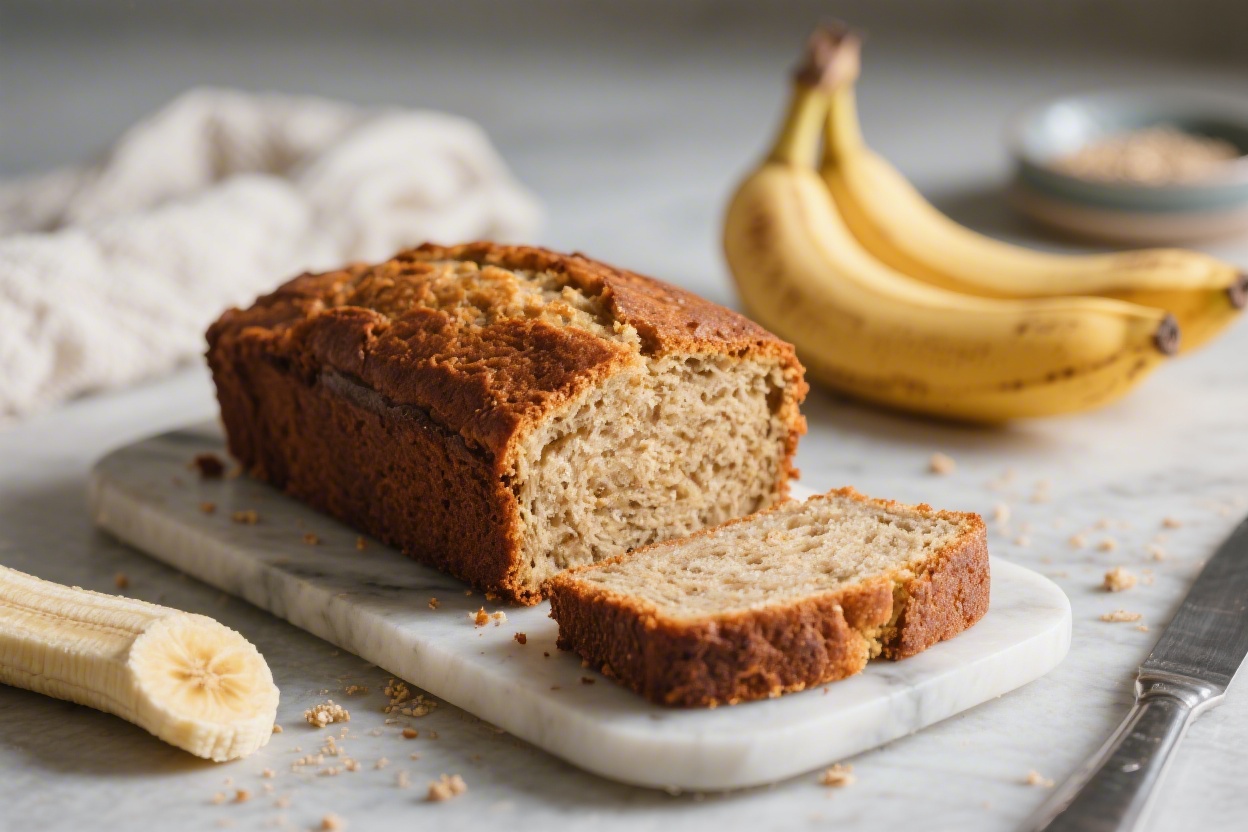
- Cool properly. Let the loaf cool in the pan for 10 minutes, then lift it out and cool on a rack for at least 1 hour before slicing. Gluten-free loaves set as they cool; slicing too soon can make the crumb gummy.
- Slice and enjoy. Use a serrated knife for neat slices. Serve warm, at room temp, or lightly toasted.
Why This Recipe Works
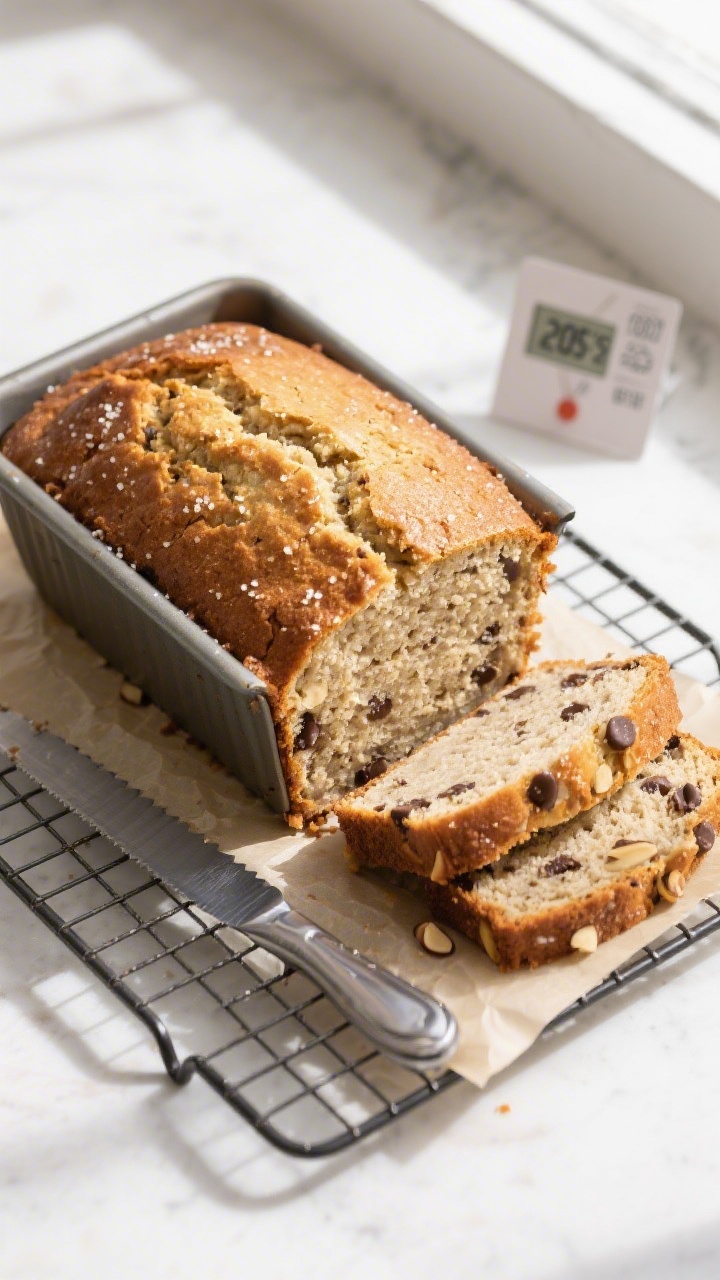
This recipe uses a balanced blend of gluten-free flours to mimic the structure of wheat, so you get a soft crumb without gumminess. It leans on extra moisture from bananas and yogurt to prevent dryness, a common gluten-free issue.
A touch of almond flour adds richness and keeps the crumb tender. Finally, the mixing method limits overworking the batter, preventing toughness and tunnels. Every detail is designed to deliver consistent, bakery-level results.
Ingredients
- 3 large very ripe bananas (about 1 1/2 cups mashed)
- 2 large eggs, room temperature
- 1/3 cup neutral oil (avocado, light olive, or canola) or melted butter
- 1/3 cup plain Greek yogurt (or dairy-free yogurt)
- 2/3 cup light brown sugar (or coconut sugar)
- 1 teaspoon vanilla extract
- 1 1/4 cups gluten-free all-purpose flour blend (with xanthan gum; see note)
- 1/2 cup super-fine almond flour
- 1 teaspoon baking soda
- 1 teaspoon baking powder
- 1/2 teaspoon fine sea salt
- 1 teaspoon ground cinnamon (optional but recommended)
- 1/2 cup mix-ins (optional: chopped walnuts, pecans, or chocolate chips)
- Coarse sugar for sprinkling on top (optional)
Note: If your gluten-free flour blend does not contain xanthan gum, add 1/2 teaspoon xanthan gum to the dry ingredients.
Step-by-Step Instructions
- Prep the pan and oven. Heat the oven to 350°F (175°C).
Grease a 9×5-inch loaf pan and line it with a parchment sling for easy removal.
- Mash the bananas. In a large bowl, mash bananas until mostly smooth with a few small lumps. You want about 1 1/2 cups.
- Whisk the wet ingredients. Add eggs, oil, yogurt, brown sugar, and vanilla to the bananas. Whisk until smooth and slightly glossy.
- Combine the dry ingredients. In a separate bowl, whisk the gluten-free flour, almond flour, baking soda, baking powder, salt, and cinnamon until evenly combined.
- Bring it together. Add the dry ingredients to the wet.
Stir gently with a spatula until just combined and no dry streaks remain. Do not overmix.
- Add mix-ins. Fold in nuts or chocolate chips if using. The batter will be thick but scoopable.
- Fill the pan. Scrape batter into the prepared pan.
Smooth the top and sprinkle with coarse sugar for a crackly crust, if you like.
- Bake. Bake for 55–65 minutes until the top is deep golden and a tester comes out clean or with a few moist crumbs (no wet batter). If the top browns too fast, tent loosely with foil in the last 15 minutes.
- Cool properly. Let the loaf cool in the pan for 10 minutes, then lift it out and cool on a rack for at least 1 hour before slicing. Gluten-free loaves set as they cool; slicing too soon can make the crumb gummy.
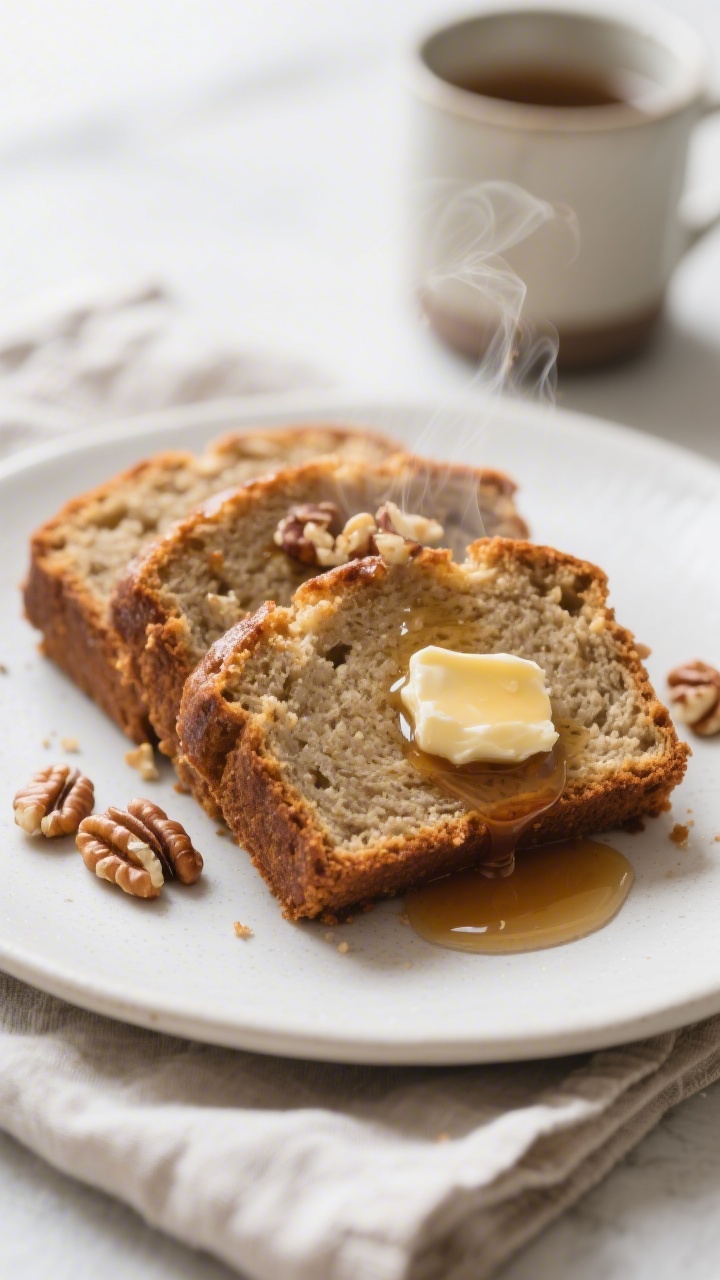
- Slice and enjoy. Use a serrated knife for neat slices.
Serve warm, at room temp, or lightly toasted.
How to Store
- Room temperature: Wrap the cooled loaf in parchment, then place in an airtight container for up to 3 days.
- Refrigerator: Store slices in a sealed container for up to 5 days. Warm briefly to refresh texture.
- Freezer: Slice, wrap individually, and freeze for up to 3 months. Thaw at room temp or toast straight from frozen.
- Moisture tip: Slip a small piece of paper towel into the container to absorb excess moisture and keep the top from getting sticky.
Health Benefits
- Gluten-free friendly: Safe for those with celiac disease or gluten sensitivity when using certified gluten-free ingredients.
- Fiber and potassium: Bananas add natural sweetness, fiber, and potassium to support heart health and digestion.
- Better fats: Using oil and almond flour adds heart-healthy fats that help with satiety and a tender crumb.
- Balanced sugar: Brown or coconut sugar provides sweetness without going overboard; bananas help reduce the need for more sugar.
Pitfalls to Watch Out For
- Using the wrong flour blend: Not all gluten-free blends behave the same.
Choose a reputable 1:1 blend with xanthan gum or add your own.
- Overmixing: Stirring too much can make the loaf dense. Stop as soon as the flour disappears.
- Underripe bananas: Green or just-yellow bananas won’t sweeten or moisten the loaf enough. Use deeply speckled bananas.
- Cutting too soon: Let it cool and set.
Warm gluten-free bread can seem gummy if sliced right away.
- Underbaking: If the center sinks or seems wet, it likely needed another 5–10 minutes. Ovens vary—trust the tester and color.
Alternatives
- Dairy-free: Use dairy-free yogurt and oil instead of butter. The texture remains soft and moist.
- No almond flour: Replace almond flour with 1/3 cup gluten-free blend plus 2 tablespoons cornstarch or tapioca starch for tenderness.
- Lower sugar: Reduce sugar to 1/2 cup and add 1 extra tablespoon of yogurt to keep moisture.
- Egg-free: Swap each egg for 1 tablespoon ground flax mixed with 3 tablespoons warm water (let gel 10 minutes).
Expect a slightly denser crumb.
- Add-ins: Try blueberries, shredded coconut, or a cinnamon-swirl (2 tablespoons sugar + 1 teaspoon cinnamon) for variety.
- Pan size: For muffins, bake at 350°F for 18–22 minutes. For an 8×4-inch pan, extend bake time by 5–10 minutes as needed.
FAQ
Do I need xanthan gum for this recipe?
If your gluten-free flour blend already includes xanthan gum, you’re set. If not, add 1/2 teaspoon to help bind the batter and improve structure.
Can I use coconut flour instead of almond flour?
No.
Coconut flour absorbs far more liquid and will make the loaf dry and crumbly. If you can’t use almond flour, use more gluten-free blend plus a little starch as noted in the Alternatives.
Why is my banana bread gummy in the center?
It’s usually a sign of underbaking or slicing before the loaf has cooled. Bake until a tester comes out with only a few moist crumbs, then cool at least 1 hour before cutting.
How ripe should the bananas be?
Use bananas that are very spotty or mostly brown on the peel.
The fruit should mash easily and smell sweet and banana-forward.
Can I make this recipe refined sugar-free?
Yes. Use coconut sugar or maple syrup. If using maple syrup, reduce yogurt by 1 tablespoon to balance moisture and extend bake time by a few minutes.
What if I don’t have Greek yogurt?
Use regular plain yogurt, sour cream, or a thick dairy-free yogurt.
If your substitute is very thin, reduce the oil by 1 tablespoon.
How do I know it’s fully baked without drying it out?
Look for a domed, deeply golden top with slight cracks, and check the center with a toothpick. Aim for a few moist crumbs, not wet batter. The internal temp should be around 200–205°F (93–96°C).
In Conclusion
Perfect gluten-free banana bread comes down to the right flour blend, enough moisture, and patient cooling.
With this simple method, you’ll get a tender crumb, rich banana flavor, and a loaf that slices like a dream. Keep a few ripe bananas on hand, and you’ll always be just an hour away from a warm, reliable classic. Happy baking—and enjoy every slice.
Printable Recipe Card
Want just the essential recipe details without scrolling through the article? Get our printable recipe card with just the ingredients and instructions.